If you’ve suffered from tooth loss, you’ve probably heard about dental implants. In recent years, implants have overtaken other tooth loss solutions like dentures and bridges. Part of the popularity of implants is down to their long-term effectiveness, as well as functional benefits like the restoration of a natural bite and the all-important preservation of the jawbone.
As a leading provider of dental implants in Sydney, we see many patients who want to know more about dental implants. Frequently, we answer questions about how long dental implants take, how much dental implants cost, and what dental implant aftercare might look like, and whether additional procedures such as bone grafting or gum graft cost may be involved in preparing the mouth for treatment.
Implants can be a life-changing solution for many, but it’s still a big decision, with a lot to consider, and a lot to learn. In the following article, we’ll answer some of the most commonly asked questions about the function, cost, and benefits of dental implants.
How dental implants work:
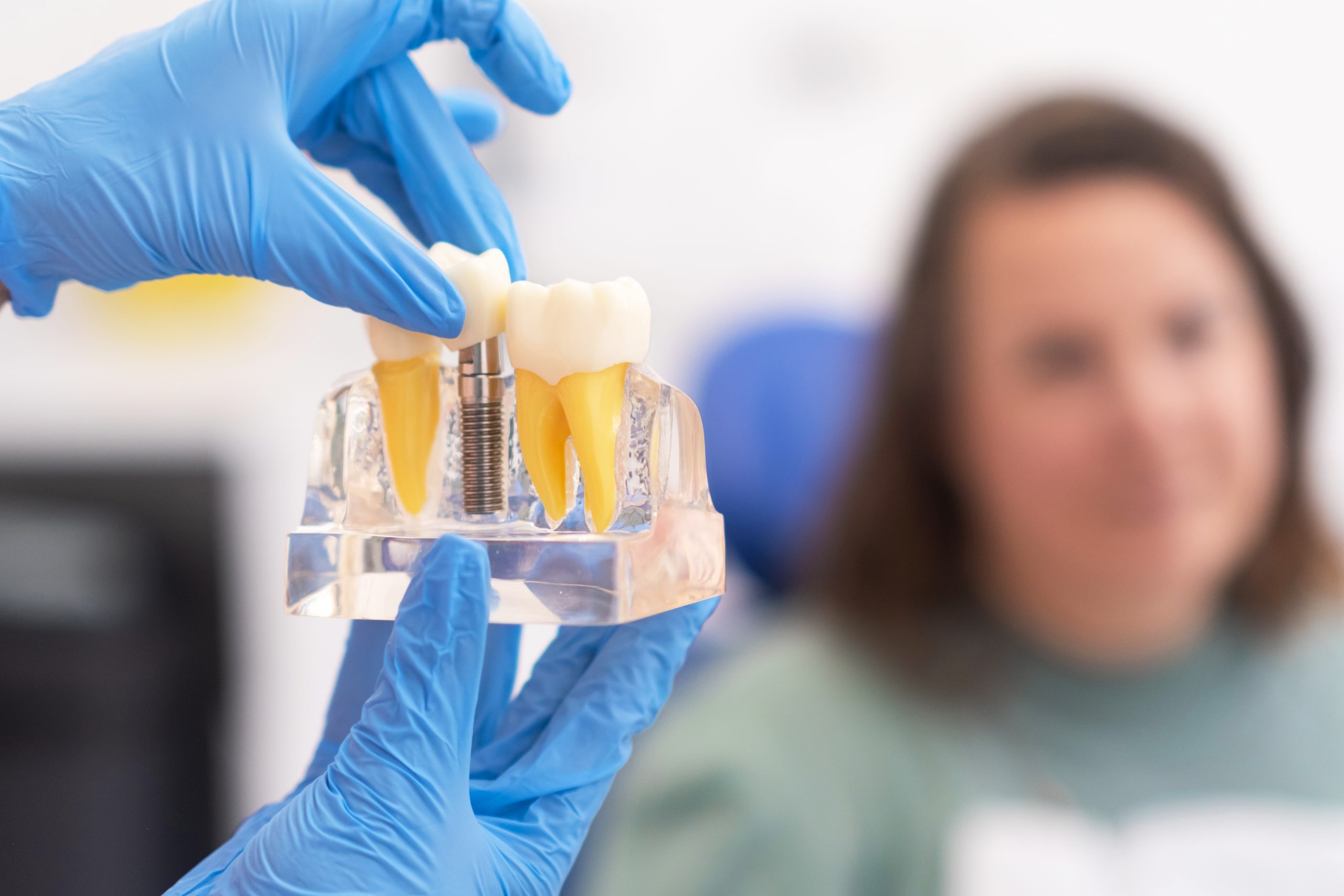
Dental implants work by replacing the root of a missing tooth with a biocompatible post, usually made of titanium, that will be surgically placed into your jawbone and left to heal. Once the implant is inserted, your bone grows around it through a natural biological process called osseointegration, where bone cells fuse tightly to the implant surface, creating a stable foundation similar to a natural tooth root.
After this fusion process, which can take several months, an abutment is attached to the implant, and a custom‑made crown is fixed on top. This restoration looks and functions like a real tooth, allowing you to chew, speak and smile normally.
So, how long do dental implants last? The good news is that dental implants are a long-term solution, and with the right care, you can expect to enjoy your implant for many years to come. A key element of the treatment is the metal post fusing with your jaw, which means this becomes a permanent addition. The part that may need to be replaced is the crown. However, most people go up to 25 years before needing to replace the crown.
Who can get dental implants?
Most adults who are missing one or more teeth can be considered for dental implants, but suitability depends on a few key factors beyond simply being toothless. To be a good candidate you generally need healthy gums, sufficient jawbone density so the implant has a stable foundation, and good overall health that supports healing. Dentists will check for conditions like gum disease and may treat these first, and in many cases bone grafting can make implant placement possible even if bone has been lost.
Age isn’t usually a barrier. There’s no strict upper age limit, and older adults often do well, but your body still needs to be healthy enough for surgery and recovery. Other considerations include lifestyle factors like smoking, which can affect healing, and your willingness to maintain excellent oral hygiene both before and after the procedure.
Dental implants risks and benefits:
Dental implants offer many advantages that make them one of the most effective tooth replacement options available. Because implants are anchored into the jawbone, they look, feel and function much like natural teeth, allowing you to chew a wide range of foods comfortably and confidently. They also help protect your jawbone from bone loss (unlike dentures or bridges, which don’t stimulate the bone) and they don’t require altering neighbouring teeth to support them. Implants can improve speech, boost confidence and support long‑term oral health, with many lasting decades or even a lifetime with good care.
That said, like any surgical procedure, dental implants come with potential risks that are important to understand. A small number of implants may fail to integrate properly with the bone, which can lead to loosening, and there is a generalised failure rate of around 5–10% in some cases. Infection at the implant site, nerve irritation or damage, sinus complications with upper implants, and injury to surrounding tissues are all possible, though uncommon, complications. Things like smoking, poor oral hygiene or underlying medical conditions can increase these risks, so thorough evaluation and careful after‑care are essential.
Dental implants recovery time:
Many of our patients want to know what to expect after dental implant surgery. Understanding the process, and how long each stage takes can significantly ease anxiety.
Here’s a brief look at the standard timeline for dental implants:
· first 24–48 hours: initial healing
Immediately after surgery, your body begins the healing response. You’ll likely feel some swelling, mild discomfort and maybe light bleeding around the implant site. Rest, cold compresses and soft foods help manage these first‑day symptoms. Many people are comfortable returning to work and light activities within a day or two.
· days 3–14: soft tissue heals
Over the next weeks, the gum tissue around the implant continues to settle. Swelling and tenderness generally decrease significantly, and stitches (if used) may dissolve or be removed.
· weeks 2–6: early bone integration
After the gum has mostly healed, the deeper process of bone forming around the implant begins. This early phase of osseointegration isn’t complete yet, but your jawbone starts bonding to the titanium implant, building stability.
· months 3–6: full integration and long‑term healing
The most critical stage of recovery is when the implant fully integrates with your jawbone. This process typically takes three to six months and is what gives dental implants their long‑term strength and stability. Only once this bond is solid can the final prosthetic tooth (crown, bridge or denture) be placed.
· after final placement: ongoing care
Once your final restoration is fitted, your implant should function very similarly to a natural tooth. Regular dental check‑ups, careful home hygiene and avoiding smoking help ensure your new tooth lasts for many years.
Implants vs other tooth replacement options:
Dental implants cost Australia can vary considerably based on where you’re located, additional prep work that needs to be undertaken, and whether you are seeking single tooth implants or All-on-4 implants.
In the following table, we’ll look more closely at the costs of dental implant vs denture vs bridge. The prices quoted are a guide only. Our specialist in dental implants at Sydney Periodontists can give you a more detailed quote.
| Option | Typical cost (AUD) | Longevity | Key features |
| Dental implants | $3,000–$7,000 per tooth | 15–30+ years, often lifelong | Most natural feel and function, surgically anchored, preserves jawbone, doesn’t affect adjacent teeth. |
| Dental bridges | $1,200–$5,000 (varies) | 10–15 years | Fixed solution that fills gaps, requires reshaping adjacent teeth, does not prevent bone loss. |
| Complete dentures | $1,500–$5,000 per arch | 5–8 years | Removable, budget‑friendly option, may shift while eating/speaking, does not prevent bone resorption. |
| Partial dentures | $700–$2,500 | 5–8 years | Removable solution for some missing teeth, less stable than implants, cost‑effective short‑term option. |
Why Choose Sydney Periodontists?
If you are looking for a trusted periodontist in the Sydney CBD, Parramatta or Orange region then look no further than the passionate team at Sydney Periodontists.
We provide a range of periodontal services, using industry-backed techniques in the management of gum diseases and implant treatment in an affordable manner to help achieve a stable, healthy and confident smile.
Get in contact with us today, or call us on (02) 8552 0300.